


Winter Pond Maintenance Tips for Healthy Spring Plants

Winter can be a challenging time for pond owners who want their aquatic plants to thrive come spring. Cold temperatures, ice formation, and reduced sunlight all affect the health of pond plants. Proper winter maintenance helps protect your pond ecosystem and ensures your plants emerge strong and vibrant when warmer weather returns. This guide offers practical tips to maintain your pond during winter and keep your plants healthy through the cold months.
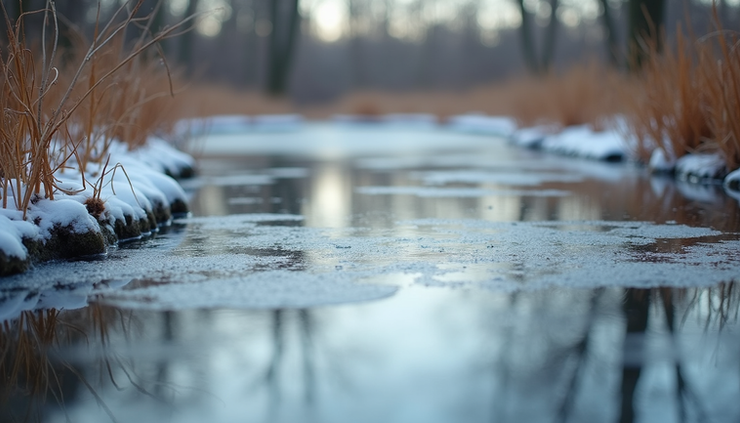
Prepare Your Pond Before Winter Arrives
Taking steps before the first freeze can make winter care easier and more effective. Here are key preparations:
Clean the pond thoroughly: Remove fallen leaves, dead plant material, and debris. Decaying matter can pollute the water and cause oxygen depletion under ice.
Trim back dead foliage: Cut back dead or dying leaves from aquatic plants to prevent decay in the water.
Check and adjust water levels: Maintain the water level to prevent damage from freezing and thawing cycles. Top off the pond if needed.
Install a pond heater or de-icer: These devices keep a small area of the pond ice-free, allowing gas exchange and preventing toxic buildup.
Preparing your pond well reduces winter stress on plants and fish, setting the stage for a healthy spring.
Protect Aquatic Plants from Freezing Temperatures
Cold temperatures can damage or kill sensitive pond plants. Use these strategies to protect them:
Move potted plants indoors or to a greenhouse: Hardy tropical plants or those in containers benefit from warmer indoor conditions.
Use pond plant baskets: Bury baskets deeper in the pond where water temperatures remain more stable.
Add mulch or straw over shallow areas: This insulation helps protect roots from freezing.
Avoid disturbing dormant plants: Many aquatic plants go dormant in winter. Leave them undisturbed to conserve energy for spring growth.
By shielding plants from extreme cold, you help them survive winter and bounce back quickly.
Maintain Water Quality During Winter
Water quality affects plant health year-round. Winter requires special attention because ice cover limits oxygen exchange.
Keep a hole in the ice: Use a pond heater, aerator, or floating de-icer to maintain an opening. This prevents toxic gas buildup and allows oxygen in.
Avoid overfeeding fish: Fish metabolism slows in cold water, so reduce feeding to prevent excess waste.
Test water parameters periodically: Check pH, ammonia, and nitrate levels to catch any imbalances early.
Add beneficial bacteria: Some pond owners add winter-specific bacteria to help break down organic matter and maintain water clarity.
Good water quality supports plant roots and overall pond health during winter.
Manage Pond Plants for Spring Growth
Winter is a good time to plan and prepare for spring planting and growth.
Divide and repot plants in late winter: Hardy plants like water lilies benefit from division before new growth starts.
Remove invasive or dead plants: Clearing out unwanted plants prevents overcrowding and disease.
Plan new plant additions: Research species that thrive in your climate and pond conditions.
Fertilize cautiously: Avoid fertilizing in freezing weather but prepare to feed plants as temperatures rise.
Proper plant management during winter ensures a strong start to the growing season.
Monitor and Adjust Pond Equipment
Winter conditions can strain pond equipment. Regular checks help avoid problems.
Inspect pumps and filters: Clean and store equipment that won’t run in winter or ensure it is winterized.
Check aerators and heaters: Confirm they operate correctly to maintain oxygen and prevent ice buildup.
Secure electrical connections: Protect cords and outlets from moisture and cold damage.
Reliable equipment keeps the pond environment stable for plants and wildlife.
Common Winter Pond Plant Types and Their Care
Different plants have varying winter needs. Here are examples of common pond plants and tips for their winter care:
Hardy water lilies: Cut back dead leaves, lower pots to the pond bottom, and avoid disturbing rhizomes.
Lotus: Move potted lotus indoors or to a frost-free area; outdoor lotus may die back but regrow from tubers.
Marginal plants (e.g., cattails, irises): Trim dead foliage and mulch roots to protect from freezing.
Floating plants (e.g., water lettuce): Usually cannot survive freezing; bring indoors or discard.
Knowing your plants’ needs helps tailor winter care effectively.
Troubleshooting Winter Pond Problems
Even with good care, issues can arise. Here’s how to handle common winter challenges:
Ice covers entire pond: Use a pond heater or floating de-icer to create an opening.
Water turns green or cloudy: Reduce feeding, remove debris, and consider adding beneficial bacteria.
Plants show signs of decay: Remove dead parts and check water quality.
Fish appear stressed: Check oxygen levels and water temperature; adjust aeration or feeding.
Early detection and action prevent long-term damage.
Tips for Spring Pond Revival
As temperatures rise, prepare your pond and plants for active growth:
Remove winter covers and insulation gradually.
Clean out accumulated debris carefully.
Start fertilizing aquatic plants.
Divide and replant crowded species.
Restart pumps and filters after cleaning.
Spring care builds on winter maintenance to create a vibrant pond ecosystem.


Comments